The Solemnity of the Most Holy Body and Blood of Christ: God Simply Present in Our Lives
An Immense Mystery in Simple Elements
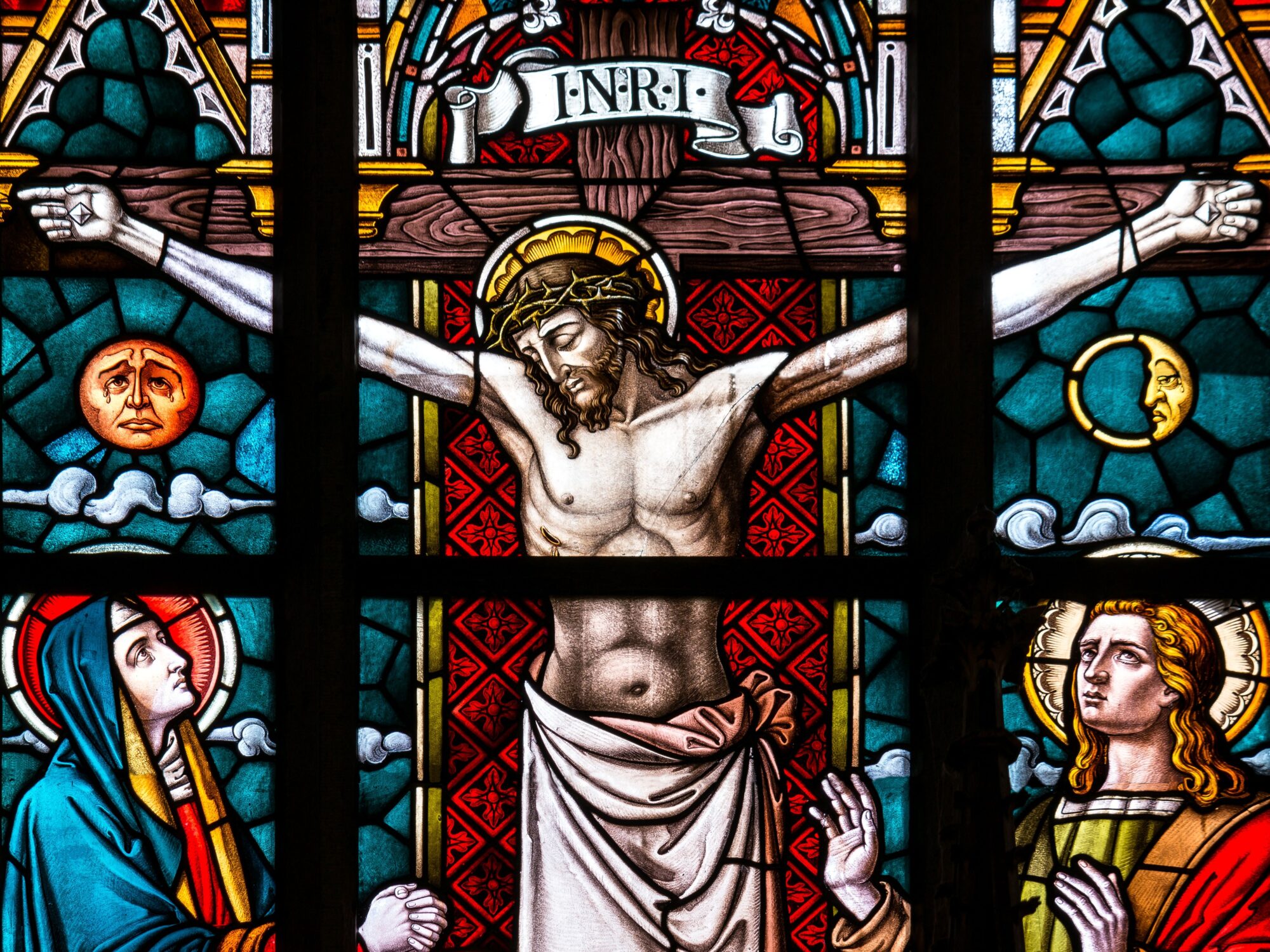
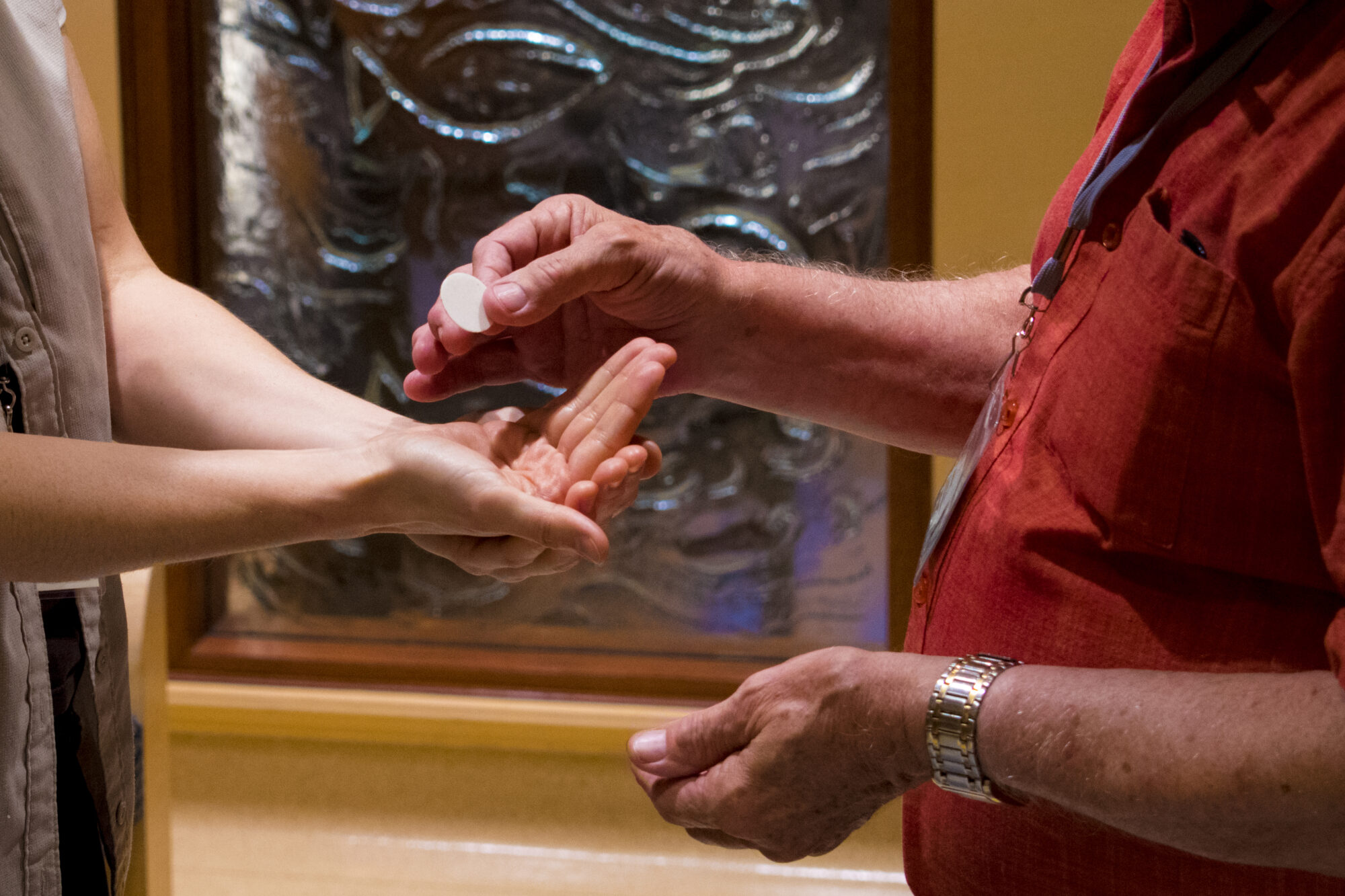
Jesus left us the memorial of his Body and Blood during a meal. He offered himself under the signs of bread and wine, as flesh to be eaten and blood to be drunk. This mystery is unsettling, a “stumbling block to Jews” and “foolishness to Gentiles” (1 Cor 1:22–25). Throughout the centuries, great scholars, both Christian and pagan, have produced learned and complex treatises and reflections in an effort to explain this profound and unfathomable mystery. But what if the deepest meaning of this eternal mystery lies instead in the simplicity of the elements that compose it: bread and wine? A simple question then arises: why did Jesus choose bread and wine specifically to leave us the memorial of his Body and Blood, when, in his time, other foods of great value and quality were part of the Jewish diet? The answer lies in the simplicity and accessibility of these two elements. Both the rich and the poor can obtain bread, and even wine at little cost. Every Jewish household had bread; the poorest person might lack everything else, but not bread. By offering himself in this way, Jesus wants us to see him as a God who is simply present and simply accessible. His great power unfolds in our lives with such discretion and profound simplicity that we sometimes struggle to recognize its signs and traces. Yet he is simply there, within us and around us.
Saint Brother André: A Witness to God’s Active Simplicity
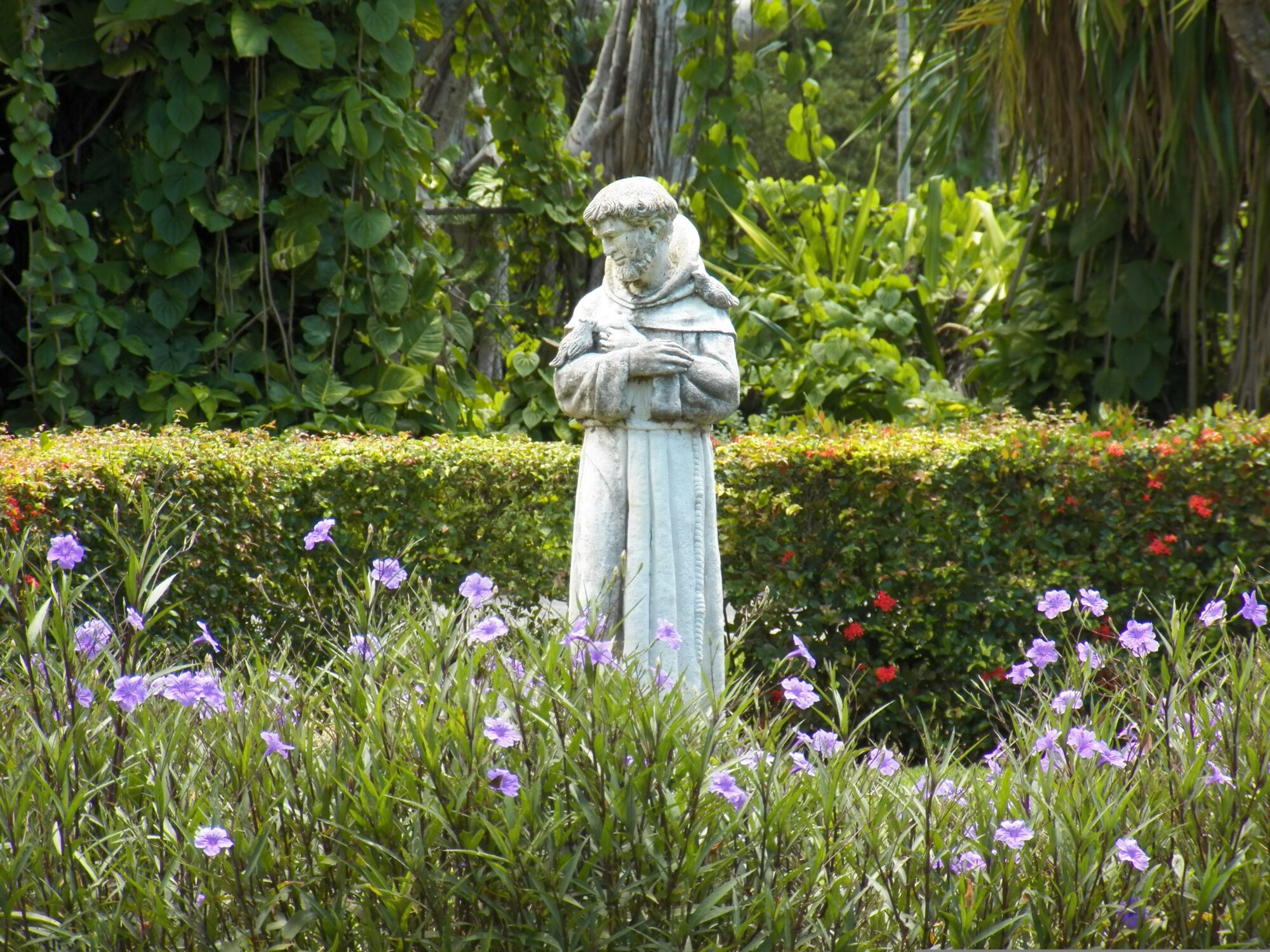
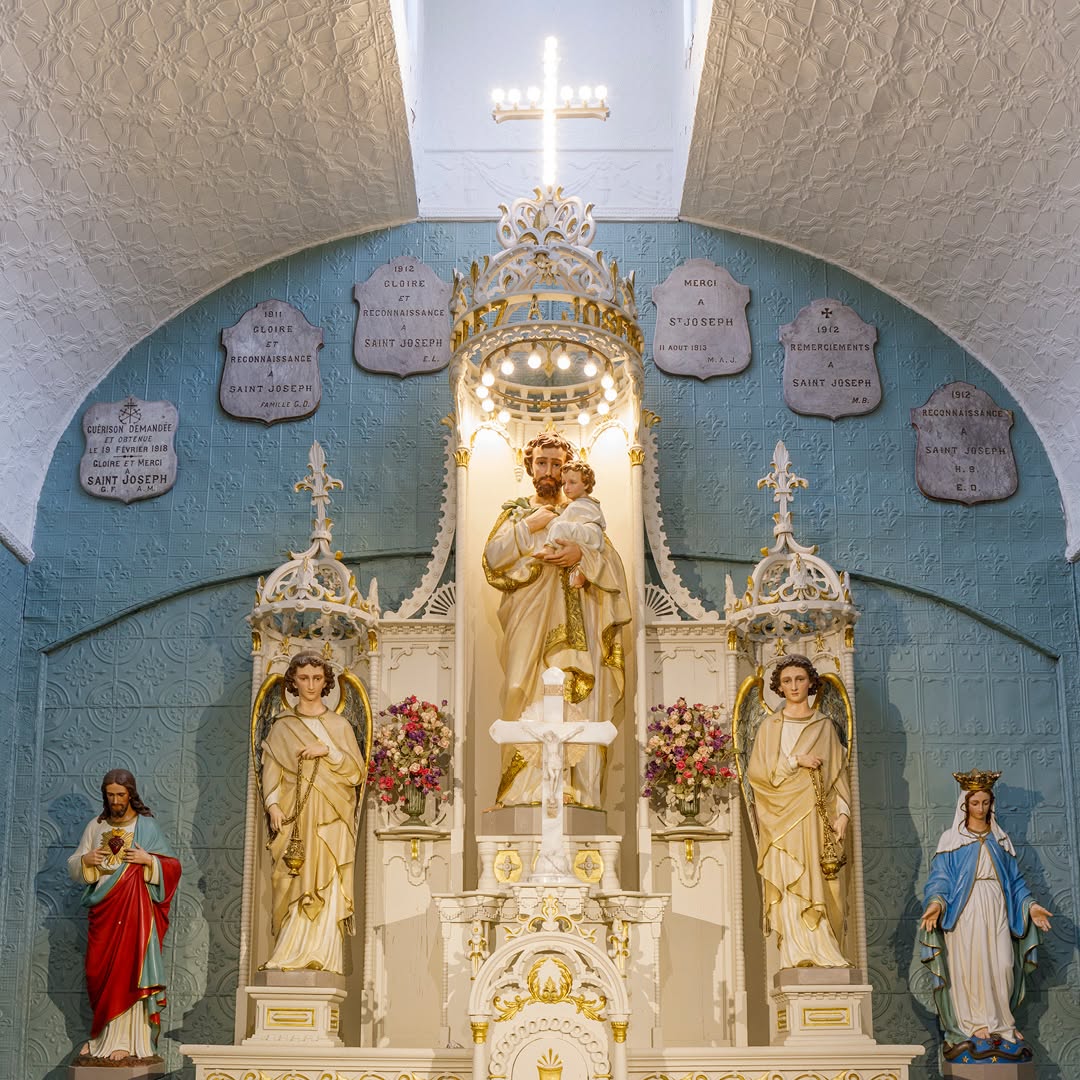
Saint Brother André is uniquely placed to introduce us to this mystery of God’s active simplicity through the Blessed Sacrament. He spent hours before the tabernacle, interceding for those who entrusted themselves to his prayers. It was there that he found the courage, patience, and serenity needed to continue his ministry of welcome and service (1). Through his devotion and his attachment to the simplicity of Saint Joseph—the humble carpenter—Brother André obtained many graces for countless faithful. He himself was a simple, frail, and poor man. It was precisely through this frailty, simplicity, and poverty that God chose to work, making him a great witness to divine action in our Church and in our lives. Let us contemplate God’s simplicity in the great mystery of His Body and Blood. Let us look to the simplicity of Saint Joseph, the carpenter who became the foster father of the Son of God and of all believers. Let us look to the simplicity of Brother André, the humble doorkeeper of fragile health who became a radiant witness to God’s power. And finally, let us look to God at work within us, simply and humbly.